
Courland
Historical Latvian land named for the Curonian tribe.

Daderot · CC0
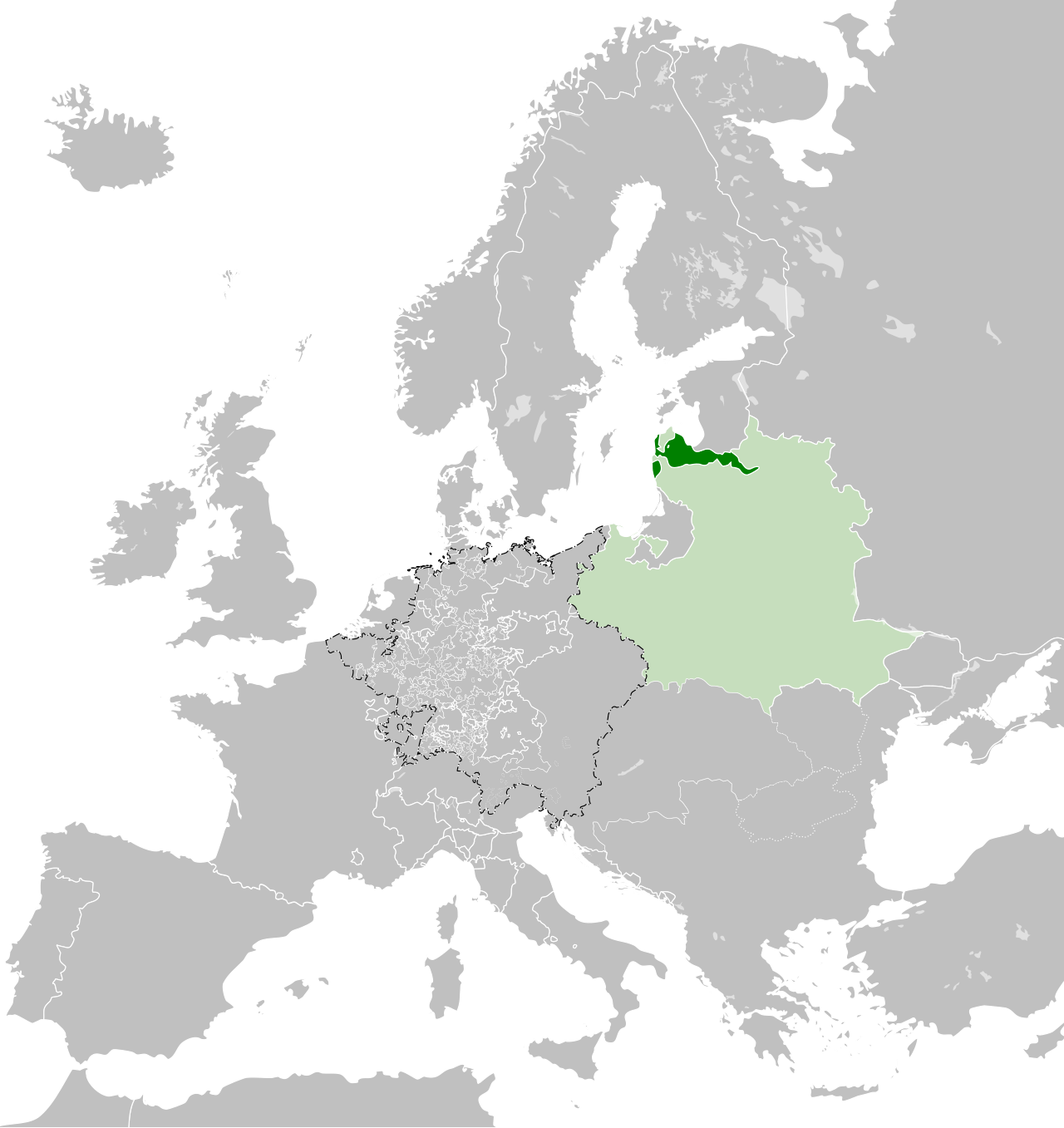
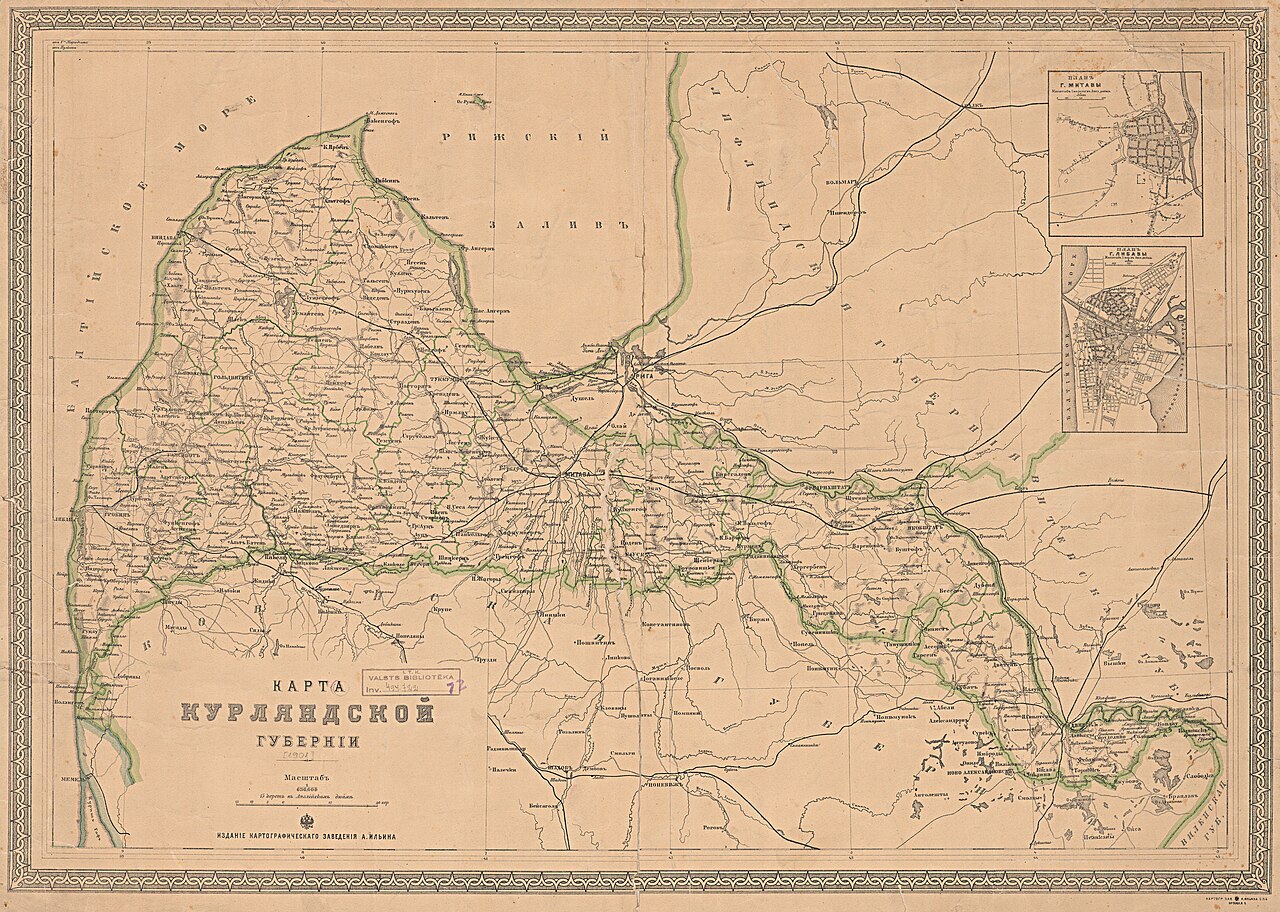
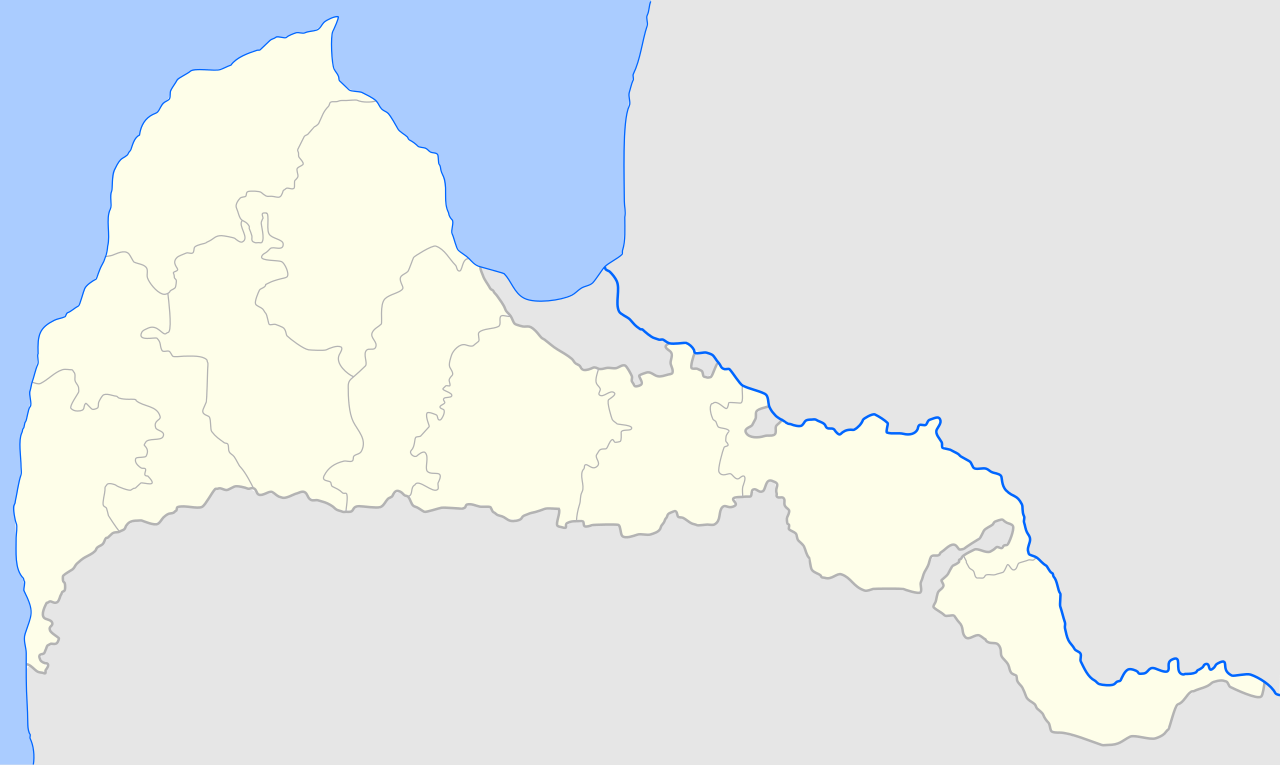
Courland is one of the Historical Latvian Lands in western Latvia, named after the Curonians, a medieval Baltic tribe. Its largest city is Liepāja, the third largest city in Latvia. The region roughly corresponds to the former Latvian districts of Kuldīga, Liepāja, Saldus, Talsi, Tukums and Ventspils, and its name literally means 'Land of Curonians.'
- largest_city
- Liepāja
- major_ethnic_group_1897
- Latvians (79%)
- historical_periods
- Livonian Confederation, Duchy of Courland and Semigallia, Russian Empire
Lore & Background
The early history of Courland is the story of the Curonians, a medieval Baltic tribe renowned for their maritime prowess and fierce resistance to foreign conquest. Their origins date from before the 5th to the 16th centuries, inhabiting the shores of the Baltic Sea in what are now western parts of Latvia and Lithuania. They eventually merged with other Baltic tribes, contributing to the ethnogenesis of present-day Latvians and Lithuanians. Some researchers consider them eastern Baltic, while others believe they were related to the Old Prussians of the western Baltic group. The Curonians mounted staunch resistance to the Livonian Crusade. Curonian nobles, including 40 clans of descendants of chieftains in Kuldīga, preserved personal freedom and some privileges. It was one of the smallest European nations to colonize overseas territories, establishing short-lived outposts on Tobago and at the mouth of the Gambia River.
Reader's Guide
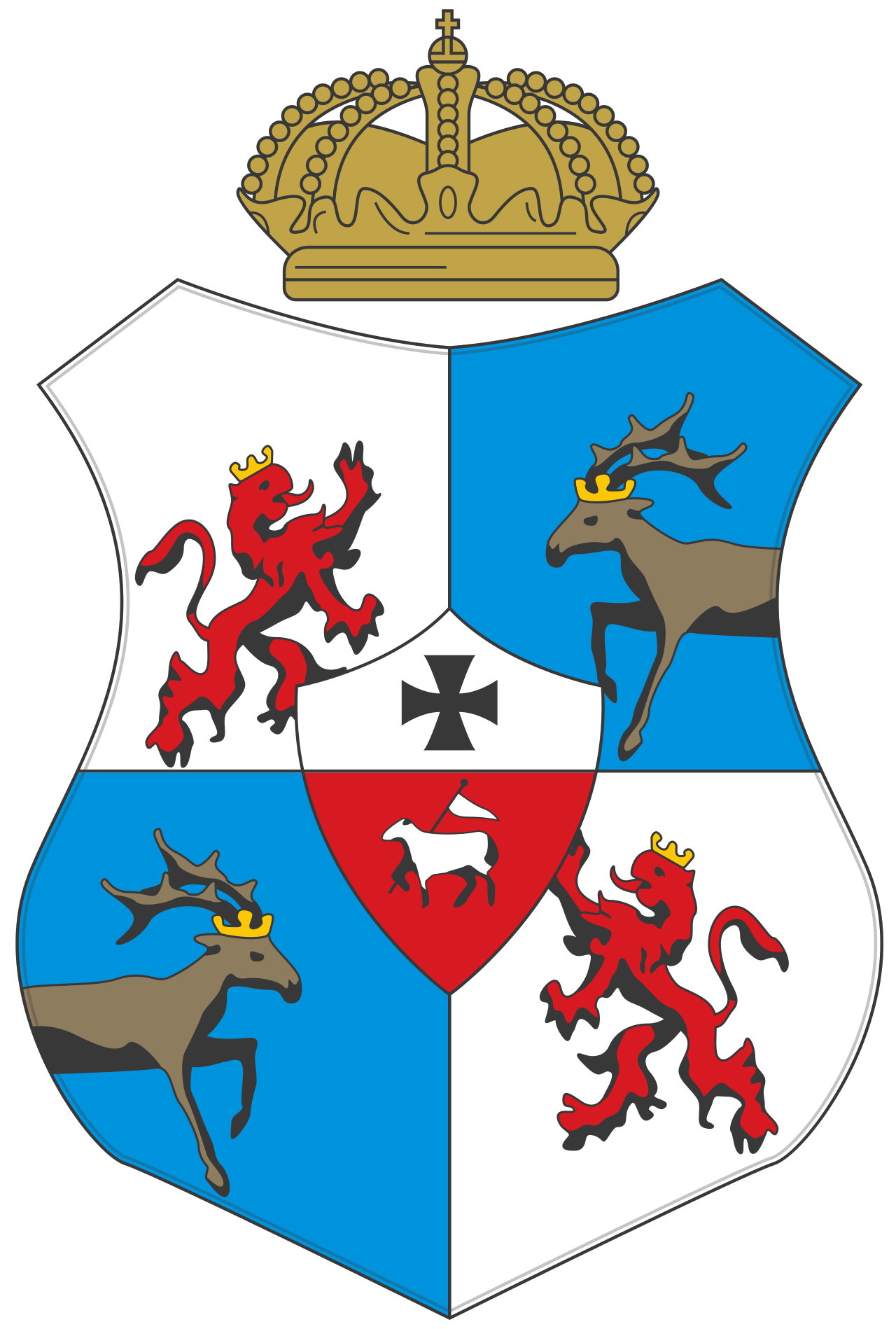
Courland's significance lies in its role as a distinct historical region of Latvia, shaped by the Curonian tribe's maritime culture and resistance during the Northern Crusades. The region later became the Duchy of Courland and Semigallia, a semi-independent state under the Polish–Lithuanian Commonwealth that engaged in overseas colonization—a rare feat for a small European polity. After annexation by the Russian Empire, Courland became a governorate where agriculture dominated, and Latvians formed the majority population but often remained landless laborers. The region's legacy includes its contribution to Latvian ethnogenesis, its place in the history of Baltic crusades, and its brief colonial ventures. Courland's cultural and historical identity persists in modern Latvia as one of the Historical Latvian Lands.
Did You Know?
- Courland's name literally means 'Land of Curonians.'
- The Curonians were a medieval Baltic tribe renowned for their maritime prowess.
- The Duchy of Courland established short-lived colonies on Tobago and at the mouth of the Gambia River.
The Proclamation and Its Political Context
A council of Baltic German political representatives gathered there and, in a deliberate act of political theater, offered the ducal crown to German Emperor Wilhelm II. The political tension behind the move was stark. While the majority in the German Reichstag favored national self-determination for the peoples of the Baltic lands, the German High Command preferred a strategy of incorporating those territories into the Empire, leaning on the influence of the local Baltic German nobility. The Duchy thus represented the High Command's vision rather than any popular Latvian aspiration.
German Recognition and Diplomatic Maneuvering
Just two days earlier, on 10–11 March, the Chancellor's special commissioner for Eastern Questions, Count Keyserlingk, had pressed General Ludendorff to accept Courlandian statehood. Yet on 12 March, leaders holding the majority in the German Parliament voiced reservations during a meeting with the chancellor, reflecting the broader Reichstag position in favor of Baltic self-determination. Despite that friction, the Courlandian delegation—led by Baron Rahden alongside A. Weschneck, W. Mellville, and Rev. Bernowitz—was received by the chancellor on the 15th. Emperor Wilhelm II then issued a solemn recognition, declaring the Duchy a free and independent state in the name of the German Empire. The document, signed by Wilhelm and Count von Hertling, went further than mere acknowledgment: it directed the chancellor to prepare treaties guaranteeing a close economic and military bond between the two lands. The language was deliberately imperial, invoking divine grace and the Imperial Seal, framing the new duchy as a partner rather than a subject, even as the proposed treaties made clear that genuine sovereignty was an illusion.
Broader Baltic Ambitions and the United Baltic Duchy
Baltic German leaders from the neighboring provinces of Estonia and Livonia, who met in Riga on 12–13 April, proclaimed the creation of a distinctive Livonia-Estonia state while simultaneously proposing a wider political entity that would encompass Courland as well. In October, Chancellor Prince Maximilian of Baden proposed replacing the German military administration of Ober Ost with civilian authorities, signaling a retreat from the High Command's earlier ambitions. This act formally abandoned the idea of a separate Courlandian state, subsuming it into a larger, still German-oriented construct. The UBD was meant to be the final, unified expression of Baltic German political aspirations, yet it was born into a world that was already moving beyond them.
The Collapse and Latvian Independence
The Duchy of Courland and Semigallia never existed as a functioning state, and its brief window of recognition was closed by the collapse of the German war effort. Yet political reality was already turning against the German project. The final act came on 7 December, when the German military handed over authority to the Latvian Provisional Government. The United Baltic Duchy, proclaimed just weeks earlier, was stillborn, and with it the entire German strategy of Baltic client states evaporated.
Gallery
More in Other European Regions 1-23
Spotted an error? Know more?
This is a living reference — every entry is fact-audited, and reader corrections feed straight into our audit queue. Suggest an edit · See this site's audit record